
Hiroshima and Miyajima Island


A Journey Through Heat, History, and Quiet Beauty
The bullet train from Kyoto slid into Hiroshima with its usual calm precision — smooth, silent, effortless. Travelling by Shinkansen feels less like transport and more like a ritual; it’s the only way to move across Japan.

Stepping off the train, the heat hit instantly. Hiroshima is hot — damn hot — a dry 36°C that demands hats, white umbrellas, and a steady pace. We dropped our bags at the hotel and headed straight back out, embracing the old saying: only madmen and English tourists go out in the midday sun.

Hiroshima Peace Memorial Park
A tram carried us through the city to the Peace Memorial Park, where the atmosphere shifts the moment you arrive. Hiroshima’s memorials aren’t loud or dramatic; they’re quiet, spacious, and deeply intentional.
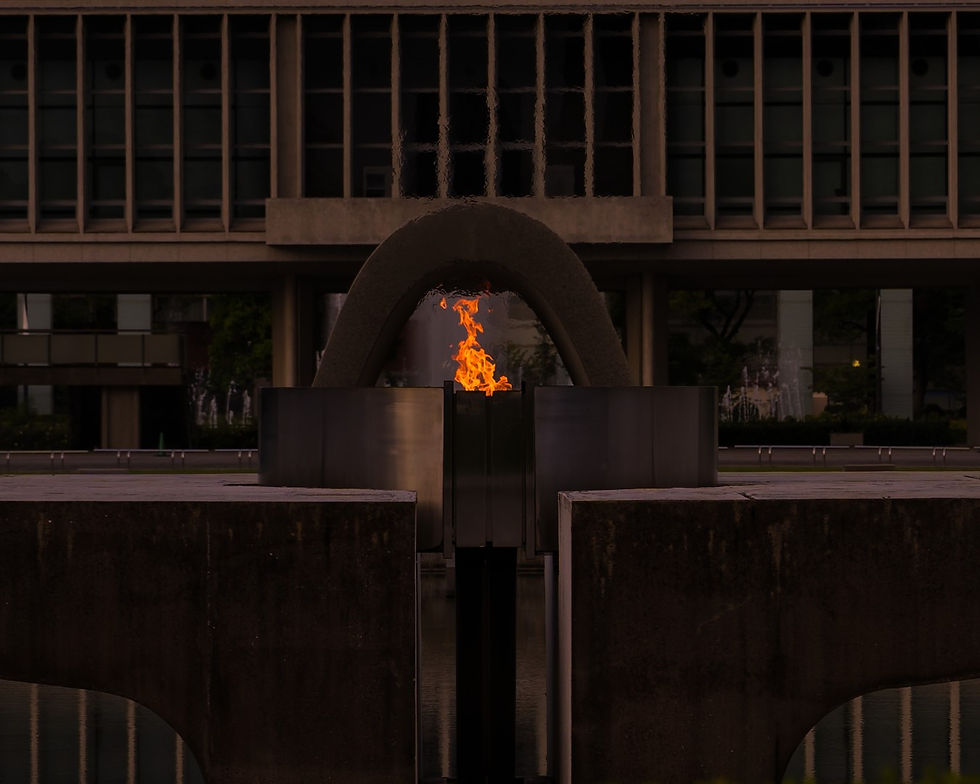
“The Flame of Peace burns without spectacle, a small, steady reminder of what happened at the last days of the horrible war.”

“The ABomb Dome stands untouched, skeletal, and open to the sky. It’s not dramatic—its power comes from restraint.”
Wide lawns, long sightlines, and the soft flow of the Motoyasu River create a stillness that makes you feel rather than think. I knew I’d return at sunrise — mornings are my favourite time of day, and Hiroshima’s quiet dawn felt like the right moment for reflection.
Sunrise at the Dome
I was up before the city. The streets were empty, the river still, and the Dome stood in soft silhouette against the rising sun.

“The Cenotaph’s arch frames the Dome perfectly, creating a visual axis that feels intentional and solemn.”
A few fitness fanatics ran past, already beating the heat. I shared the morning view with members of a local camera club — a quiet, communal moment of appreciation.
After a successful shoot, I headed back for breakfast before the day’s adventure.
Dinner was a lively contrast: a noodle bar where everything was cooked right in front of us. Simple, fresh, delicious. Afterwards, I wandered the streets with my camera before turning in early.

Miyajima Island
We took a tram out of the city to Miyajimaguchi Station and boarded the ferry to Miyajima — a sanctuary off the coast of Hiroshima and one of Japan’s most scenic destinations. The island blends sacred Shinto architecture, lush nature, and friendly roaming deer.
At its heart stands the iconic Itsukushima Shrine, guarded by the famous orange torii gate that appears to float at high tide. One of the most photographed sights in Japan, and for good reason.
The town is alive with food stalls: grilling oysters, sweet Momiji manju — the maple‑leaf shaped cakes filled with red bean paste that you see everywhere along Omotesando Shopping Street. Artisan shops sit tucked between old wooden facades, each one offering something warm, nostalgic, and distinctly Miyajima.
We walked the seafront, dodging overly friendly deer begging for snacks, then climbed a trail into the hills above the town. Waterfalls, dense green jungle, and pockets of shade made the ascent beautiful.
Unfortunately, the cable car to Mount Misen wasn’t running — but that simply gives me a reason to return.


Comments